Tuesday, May 5, 2026
Industrial sewing machines: the foundation for scaling up mass production without sacrificing quality
2026Promotional gifts & garmentsPersonalisation
Keys to optimizing mass production
In a context where personalization and speed of delivery make all the difference, the industrial textile machinery It is consolidating itself as a strategic element for any workshop or factory. Zafitex, exhibitor at the next edition of C!Print Madrid, from January 12 to 14, 2027It offers a series of tips for making the right choice. It's not just about producing more volume, but about guaranteeing stable, repeatable processes with a consistent level of quality.
Unlike domestic equipment, industrial machines are designed to withstand intensive workloads without compromising performance. This allows for continuous production, reduces errors, and ensures consistent finishes even on long runs or demanding projects.
Types of industrial textile machinery and their role in production
One of the keys to improving efficiency is understanding that no single machine can meet all needs. Real productivity comes from combining specialized equipment within a well-defined workflow.
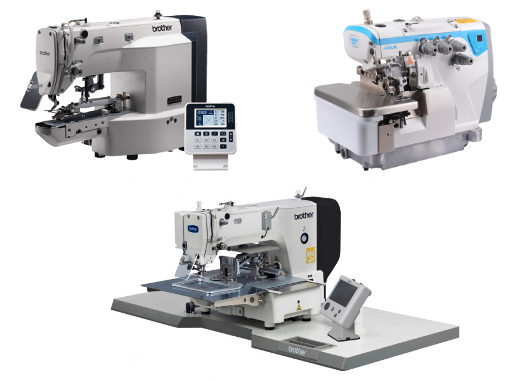
Straight stitch machines remain the foundation of any garment production line, providing speed and precision in structural seams. From there, overlock and serger machines come into play, essential for achieving professional finishes, especially on textile garments.
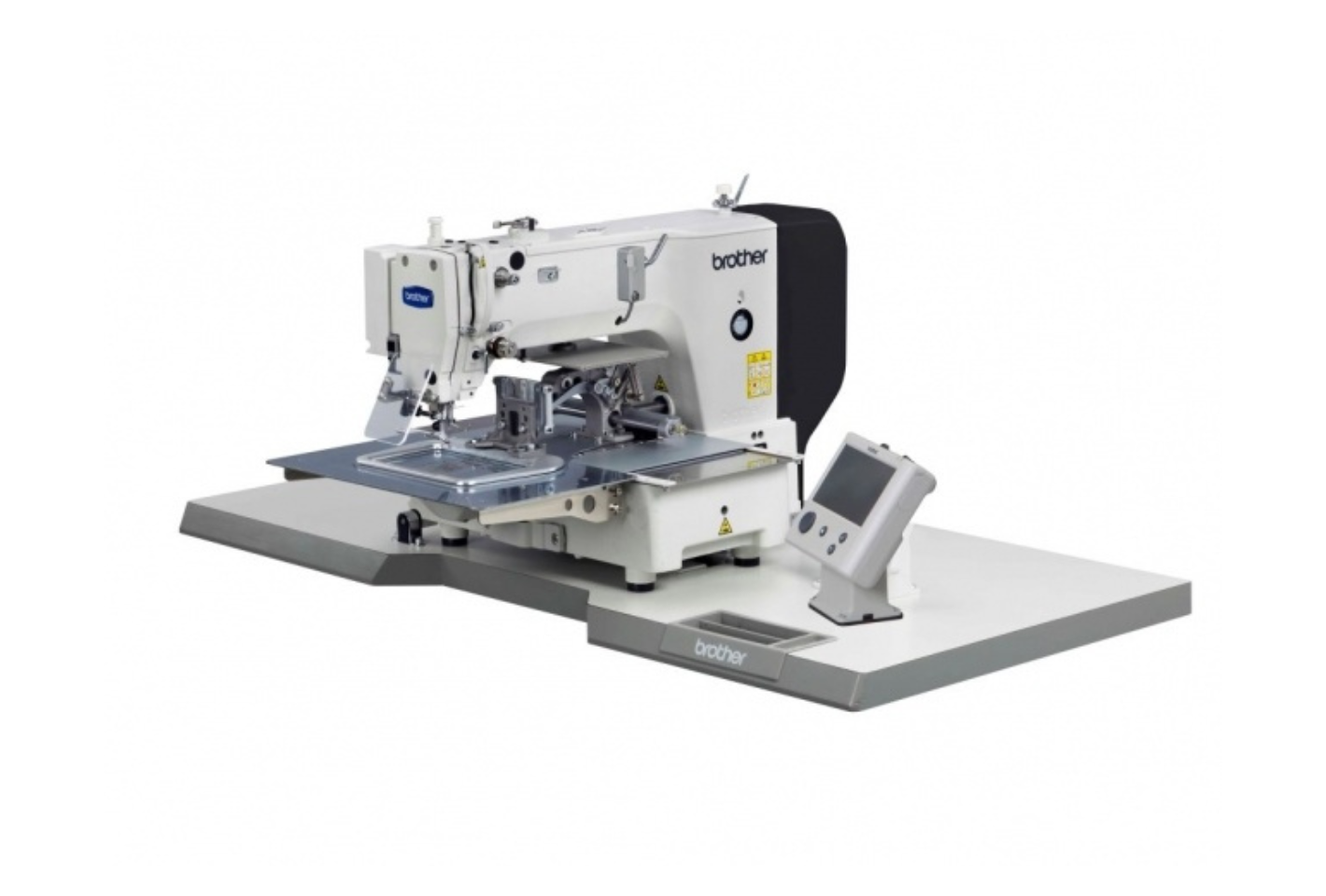
In more advanced production processes, coverstitch machines allow for working with elastic fabrics, while automatic and programmable machines represent a significant leap forward by reducing manual intervention and minimizing errors. Meanwhile, double or triple feed systems are essential when working with thick or technical materials, ensuring uniform fabric feed.
Efficiency, productivity and cost control
Investing in industrial textile machinery This has a direct impact on business profitability. Improved production speed allows for handling larger volumes in less time, while reduced defects significantly decrease costs associated with rework and material waste.
Furthermore, the durability of this equipment reduces unexpected downtime, a major challenge in mass production environments. Overall, this translates into a more agile workflow, greater responsiveness, and better resource utilization.
How to choose the right machinery for your workshop
The choice of machinery should not be based solely on price or the equipment's maximum capacity. It is essential to analyze the type of materials being processed, the current production volume, and projected growth.
It's also crucial to consider the necessary level of automation and, above all, to have access to specialized technical support. A suitable machine, but without maintenance or assistance, can quickly become an operational problem.
Connected production in the environment of personalization
In today's ecosystem—marked by technologies such as DTF, sublimation, and heat transfer vinyl—garment making is a critical phase within the production process. Properly integrating the industrial textile machinery It allows for better connection between different stages, reduces time between processes, and improves the final quality of the product.
In shortInvesting in industrial textile machinery is not just a technical upgrade, but a strategic decision. It allows workshops to move from limited production to a scalable, efficient model, ready to respond to new market demands.